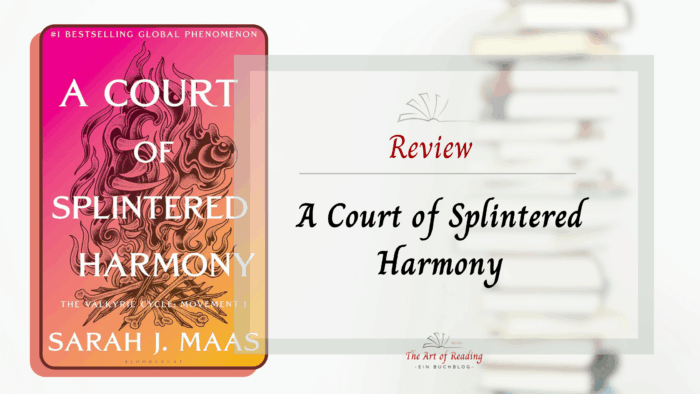
A Fractured Inner Circle, Questionable Loyalties, and Far Too Much Unnecessary Drama
After everything that happened in the previous installments of the A Court of Thorns and Roses series, I was naturally eager to return to Prythian and see where Sarah J. Maas would take her characters next. However, A Court of Splintered Harmony, the sixth installment in the series, turned out to be neither a spectacular highlight nor a complete disappointment. Instead, it felt like an extended prelude to something much bigger. A quiet before the storm, so to speak, although the emotional storms brewing within the Night Court were certainly anything but quiet.
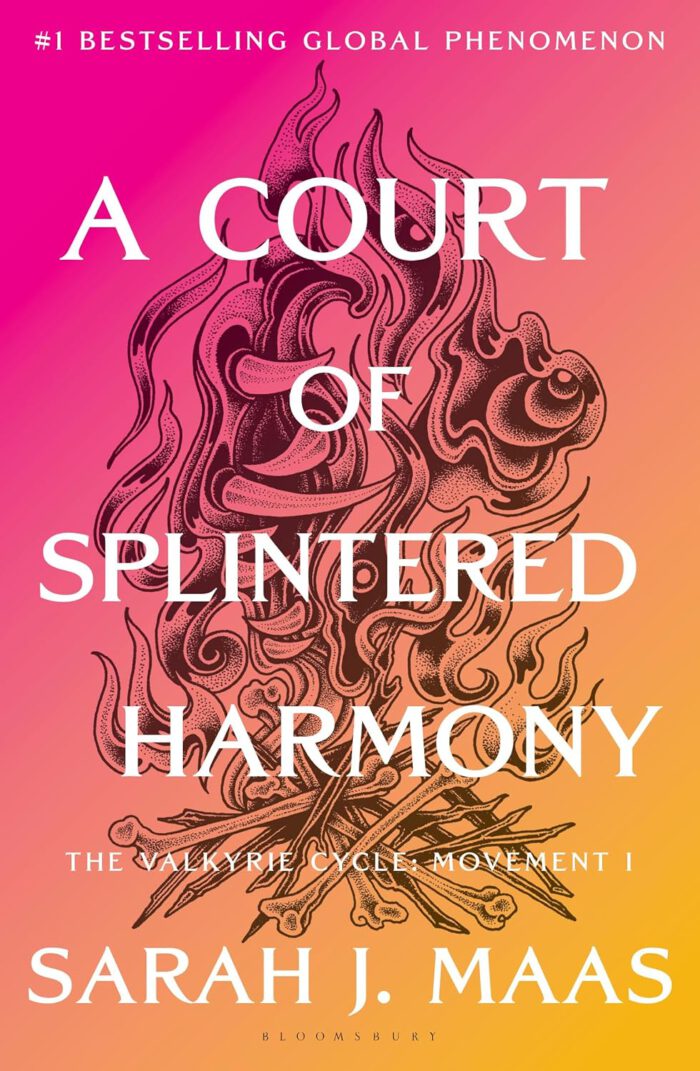
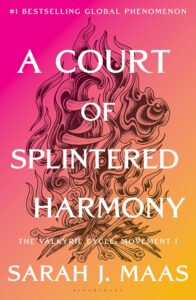 A Court of Splintered Harmony by Sarah J. Maas
Series: A Court of Thorns and Roses #6
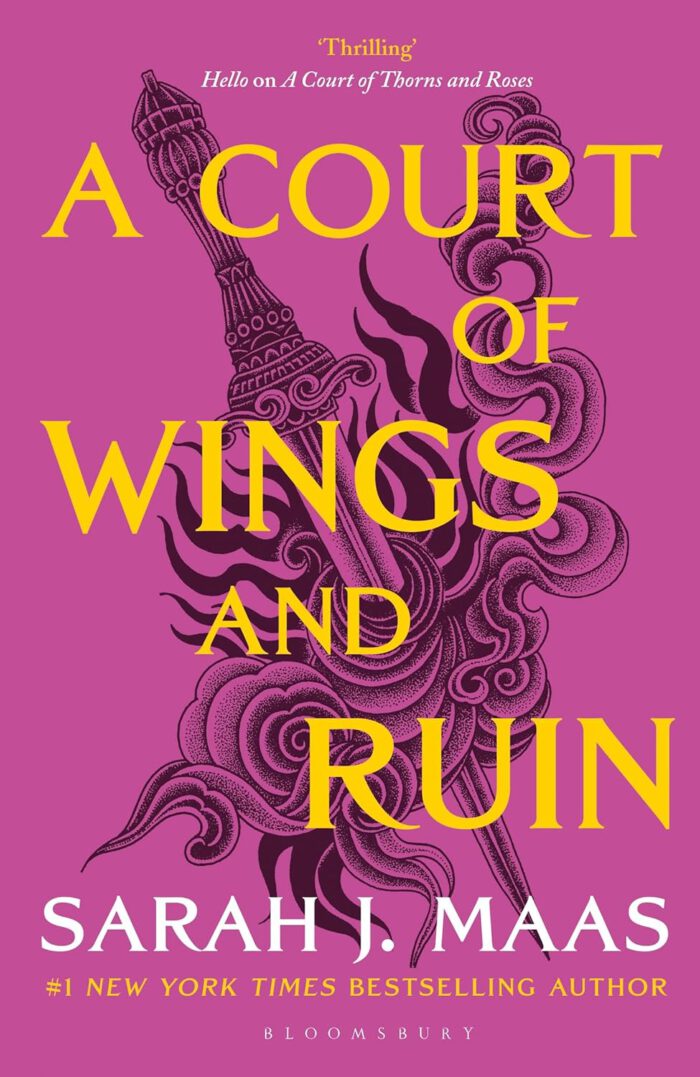
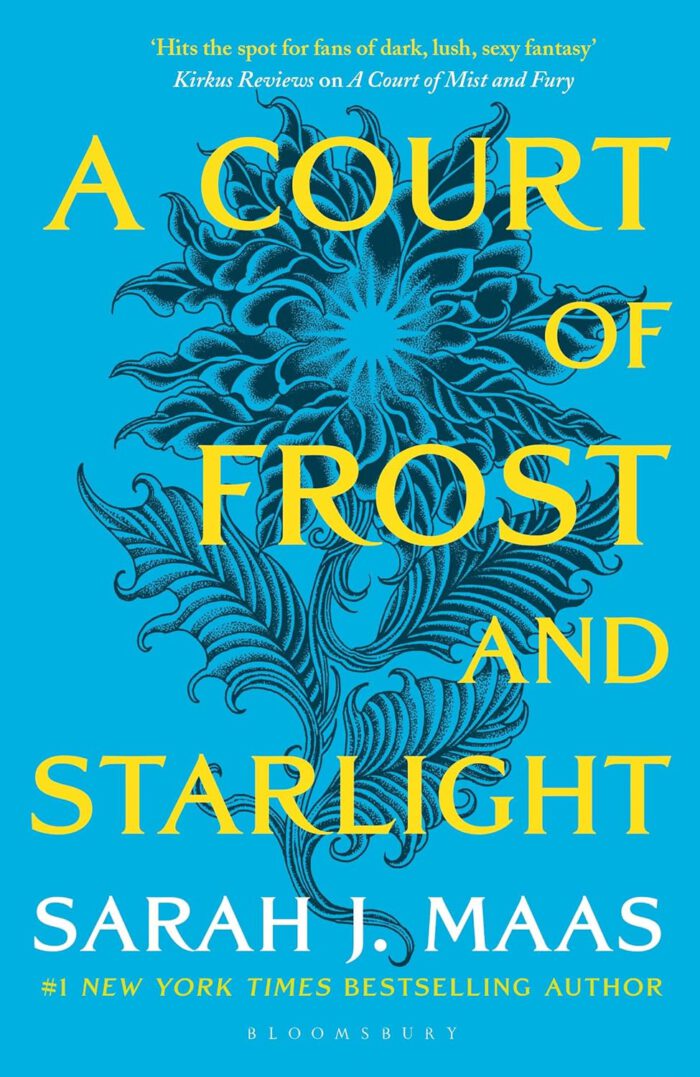
more Volumes: A Court of Thorns and Roses, A Court of Mist and Fury, A Court of Wings and Ruin, A Court of Frost and Starlight
Genre
 Der Begriff Genre bezeichnet eine Kategorie oder Gattung von... More: Adult, Epic Fantasy, Fae, Magic, Romance
Published on 27. Oct 2026 by Bloomsbury
Pages: 336
Format: Hardcover
ISBN-13: 9781037200076
Language: English
Source: Amazon
Link to Goodreads
My rating: | Spice:

What was broken will be remade.
Deep in the heart of the continent, Koschei the Deathless is stirring. Though he's been bound to a mountain lake for millennia, the insidious threat of his return now spreads across the Fae territories, attracting powerful allies hell-bent on reclaiming what was once theirs: the human lands.
The Night Court will not stand idly by while innocents are attacked. But with Prythian still piecing itself together in the wake of the devastating Hybern War, the task of uniting is proving more difficult by the day.
To make matters worse, those who rule and protect the Night Court are reeling from recent betrayals and revealed truths. The rifts dividing them seem insurmountable.
But to defeat Koschei's creeping shadow, they must find a way back to each other and resurrect their former alliances. To survive, they must find a way to repair the splintered harmony all around them.
Buy here: Amazon*
More Books by the Author: The Assassin's Blade, Throne of Glass, Crown of Midnight, Heir of Fire, Queen of Shadows, House of Earth and Blood, House of Sky and Breath, House of Flame and Shadow, A Court of Thorns and Roses, A Court of Mist and Fury, A Court of Wings and Ruin, A Court of Frost and Starlight
Find the Author: Website, Facebook, Goodreads, Bookhype, Amazon, Instagram
Icons made by Freepik from www.flaticon.com

A Court of Splintered Harmony ♦ Sarah J. Maas
A Review
Opinion
One thing I want to address right away is the ridiculous amount of criticism I’ve seen online regarding Feyre breastfeeding her baby. Seriously? Of all the things one could criticize about this book, that’s what people choose to complain about? Whether those complaining have never experienced motherhood themselves or simply have an issue with breastfeeding, particularly in public, I find the outrage absolutely absurd. In that case, I’d rather not watch them stuffing food into their own mouths in public, either. Yes, Feyre mentions breastfeeding occasionally. Yes, her baby has perfectly normal bodily functions. Welcome to parenthood! That’s what babies do, and I genuinely don’t understand why something so natural should be treated as an inconvenience in a fantasy Fantasy ist ein Teilbereich der Phantastik und leitet sich v... More novel.
What bothered me considerably more, however, was Elain.
Good grief, that woman tested every last nerve I had left! I understand that characters make mistakes, and I certainly don’t expect everyone to handle difficult situations perfectly. But Elain‘s behavior was simply unbearable. She knew perfectly well that she’d done something wrong, yet instead of taking responsibility, she spent her time crying, whining, and hiding behind her sisters. Once again, everyone was apparently supposed to tiptoe around her feelings.
Fortunately, Nesta wasn’t having any of it this time, and I appreciated that immensely. Elain desperately needs someone who doesn’t automatically excuse her behavior just because she’s the supposedly delicate sister. By the end, she essentially runs away, or at least that’s how it appeared to me. Of course, I suspect her actual adventure is only beginning, but I sincerely hope it comes with some much-needed character development.
And while we’re talking about Elain, can we please address the whole Elain-and-Azriel situation? I know plenty of fans are rooting for them to be endgame, but I simply don’t see it. Where others apparently recognize an extraordinary romantic connection, I see two people who are probably just incredibly horny. Physical attraction? Sure. Undeniable chemistry and the foundation for an epic romance? Not in my opinion.
Meanwhile, Lucien continues to be treated terribly. Regardless of whether Elain wants anything to do with their mating bond, she could at least have the decency to be honest with him. She doesn’t owe him love, but a straightforward conversation would hardly be too much to ask. Her refusal to face the situation only reinforces my impression that she’s a coward.
Speaking of Azriel, the glimpse into his past at the beginning of the book was absolutely heartbreaking. It offered a deeper understanding of why he is the way he is, why he keeps so much to himself, and why expressing his feelings seems so incredibly difficult for him. His past certainly doesn’t excuse everything, but it explains a great deal about the male he has become. More than anything, I genuinely hope that one day he’ll find the courage and confidence to speak his mind openly, even to those closest to him, without constantly holding himself back. He deserves to finally let out everything he’s been carrying around for so long instead of silently suffering through it all.
Another aspect that left me scratching my head was the narrative perspective. I generally appreciate books told through multiple points of view because they allow readers to understand different characters’ motivations, emotions, and experiences. However, why on earth are Feyre‘s chapters written in the first person while the others use the third person?
It makes absolutely no sense to me.
Admittedly, I’ve never been particularly fond of first-person narration, especially in epic fantasy, so Feyre‘s chapters were automatically less enjoyable for me. That had nothing to do with their actual content, though. I simply wish Maas had maintained a consistent narrative approach throughout the novel.
And then there’s the Night Court’s infamous inner circle. Honestly, at times I felt as though I’d accidentally wandered into a kindergarten playground rather than a gathering of supposedly powerful, centuries-old Fae. The way almost everyone treated Nesta because she’d handed the Mask over to Bryce, allowing Bryce to save her own world, was absolutely infuriating. These characters are more than 500 years old, yet apparently emotional maturity isn’t something that automatically comes with immortality.
The endless accusations, resentment, and unnecessary hostility toward Nesta became exhausting remarkably quickly. Once again, she was expected to prove herself, as though everything she’d already endured, sacrificed, and accomplished meant absolutely nothing.
How many times does Nesta have to demonstrate her loyalty before these people finally acknowledge it? I understand that handing over such a powerful object has consequences and that the others might have legitimate concerns. But there’s a difference between discussing those consequences like rational adults and behaving like offended children. Unfortunately, the inner circle seemed far more interested in the latter.
In terms of pacing and atmosphere, A Court of Splintered Harmony reminded me somewhat of A Court of Frost and Starlight. Both novels have a quieter, more subdued narrative style, although their emotional focus differs considerably.
Where A Court of Frost and Starlight concentrated primarily on healing, recovering from trauma, and finding a sense of normality after the war, this installment explores what happens when the relationships between family members, friends, and allies begin to fracture. Trust has been damaged. Loyalties are questioned. Words remain unspoken, while others are spoken far too carelessly. And beneath all the accusations and stubbornness lies genuine emotional pain.
What makes these conflicts particularly frustrating is that, for the most part, none of the characters actually wants these relationships to fall apart. They’re hurting one another despite desperately needing each other. The possible exception is Lucien, whose feelings of betrayal are entirely understandable to me.
Unfortunately, the emotional tension doesn’t always translate into compelling storytelling. Sometimes it simply becomes repetitive, especially when characters refuse to communicate and the same grievances resurface again and again.
Readers hoping for spectacular battles, dangerous quests, or relentless action might also find themselves disappointed. Apart from a brief skirmish involving Nesta and a returning acquaintance, very little happens in terms of physical confrontation. This is predominantly a character-driven installment, with its conflicts taking place through conversations, confrontations, and emotional distance rather than swords and magic.
Nevertheless, I wouldn’t call the book boring. Beneath all that unnecessary drama, Maas is clearly preparing the ground for a much larger conflict. Koschei‘s growing influence, the fragile political situation throughout Prythian, and the increasingly strained relationships within the Night Court suggest that the characters are heading toward something considerably more dangerous.
And perhaps that’s precisely the point. How are they supposed to confront an ancient enemy when they can barely stand together in the same room without tearing each other apart?
Conclusion
A Court of Splintered Harmony receives 3.5 out of 5 stars from me. While I appreciated the emotional tension, multiple perspectives, and particularly the heartbreaking insight into Azriel‘s past, Elain‘s constant whining, the inner circle’s immature treatment of Nesta, and the inconsistent narration were frustrating. For supposedly centuries-old Fae, these characters still have plenty of growing up to do.
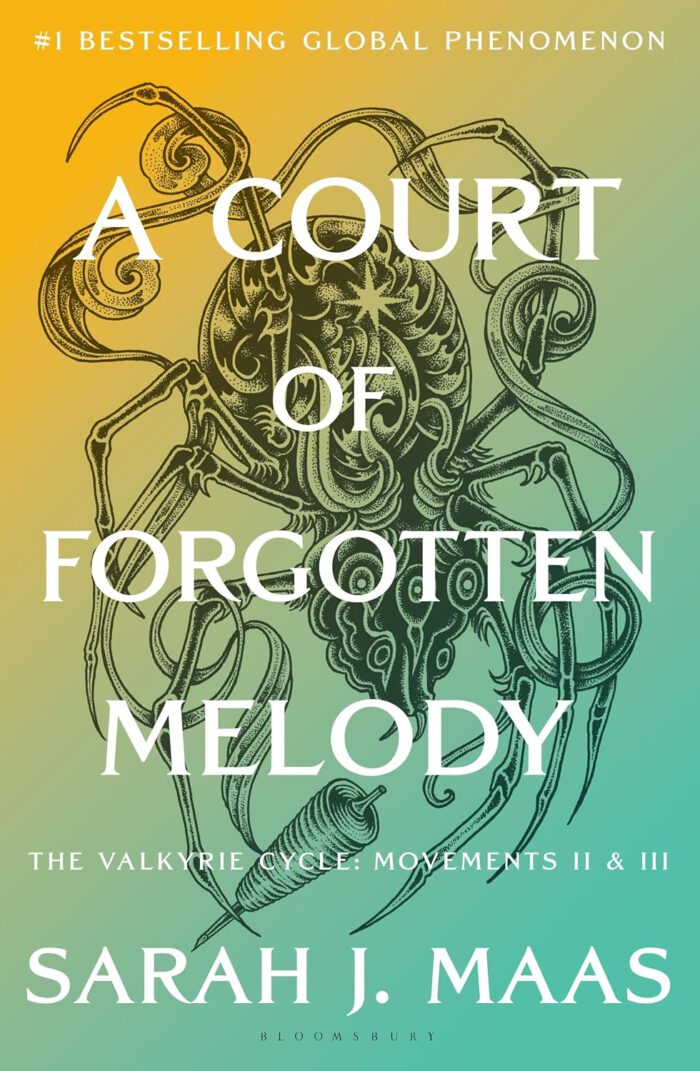
Nevertheless, the fractured relationships and looming threat of Koschei have left me curious about what comes next. Hopefully, A Court of Forgotten Melody will deliver the action, character development, and emotional payoff that this installment seems to be setting up.
A Court of Thorns and Roses
Series
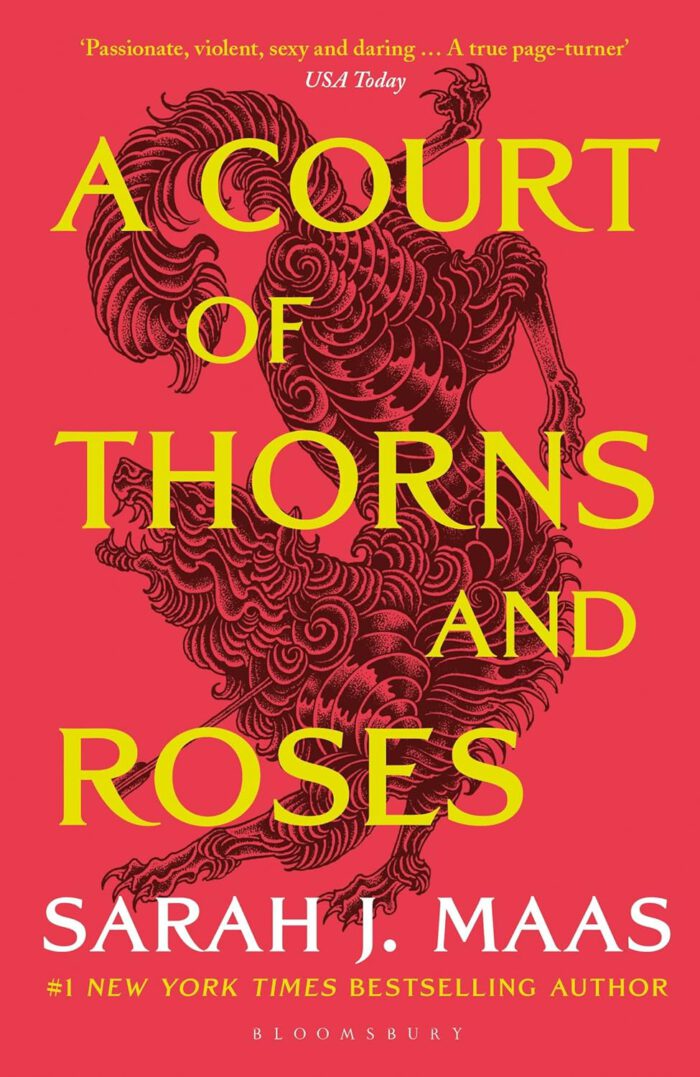
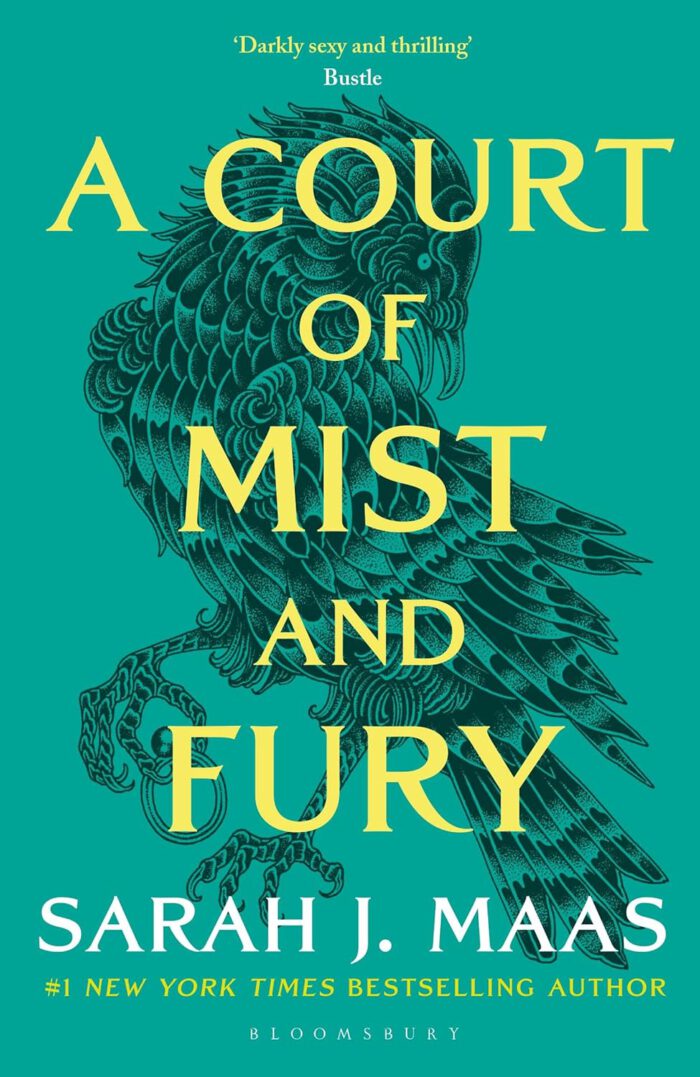

| A Court of Thorns and Roses (#1) | A Court of Mist and Fury (#2) |
| A Court of Wings and Ruin (#3) | A Court of Frost and Starlight (#4) |
| A Court of Silver Flames (#5) | A Court of Splintered Harmony (#6) |
| A Court of Forgotten Melody (#7) (tbp 1/2027) | tba |
About Sarah J. Maas

Sarah J. Maas is the bestselling author of the Throne of Glass, Court of Thorns and Roses, and Crescent City series. Her books have sold millions of copies and have been published in 38 languages. She lives with her family in New York City.
This review was also published at:

Views: 54